How to Build an Effective Workplace for Maximum Productivity
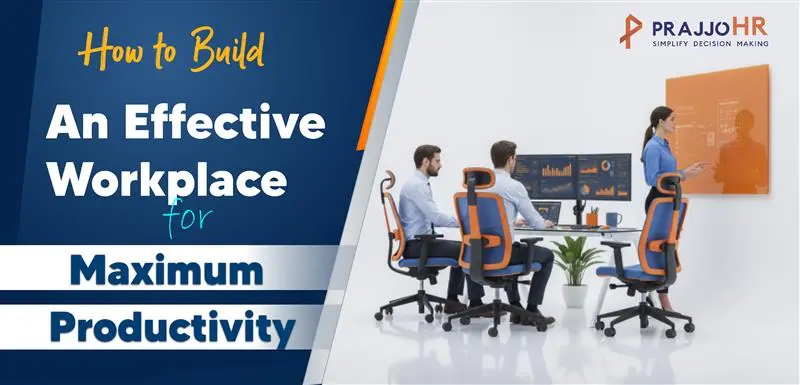
Employee productivity plays a key role in the success of any organization. When employees work in a well-organized and supportive environment, they are able to focus better on their responsibilities and complete tasks more efficiently.
A workplace that promotes clear communication, structured processes, and strong teamwork makes it easier for employees to perform their work smoothly. By building the right environment and providing proper support, organizations can boost productivity
What Is an Effective Workplace?
An effective workplace is an environment where employees can do their jobs smoothly without unnecessary stress or confusion. In such workplaces, employees understand their roles clearly, have access to the right resources, and receive support from their managers.
A well-organized workplace also helps teams collaborate better and complete tasks more efficiently. Many growing organizations use modern human resource management systems (HRMS) or HR software like PrajjoHR to streamline HR processes, manage employee data, and improve overall workforce management.
Key Elements of a Productive Workplace
Building a productive workplace requires several important elements that support employees in their daily work. These elements help employees stay focused, organized, and motivated.
1. Clear Communication and Transparency
Clear communication ensures that employees understand their responsibilities and company goals. When communication is open and simple, employees can work more confidently and avoid misunderstandings.
Ways to Improve Workplace Communication
- Regular team meetings: Meetings help teams discuss progress, share updates, and solve problems together. This keeps everyone aligned with company goals.
- Clear task instructions: Employees perform better when they receive clear and simple instructions for their tasks.
- Encouraging feedback: Allowing employees to share ideas and concerns helps create a more open and collaborative work environment.
2. Organized HR Processes
When HR processes are well organized, employees can focus on their work instead of dealing with administrative problems. Poorly managed processes, such as manual attendance tracking or slow leave approvals, can reduce workplace efficiency.
Improving Efficiency Through Automation
Organizations can improve workplace efficiency by implementing structured HR modules that automate routine tasks and streamline employee management.
- Attendance and leave management: Automated attendance systems allow employees to mark attendance digitally and apply for leave easily, reducing manual work and errors.
- Payroll management: Automated payroll systems calculate salaries, deductions, and bonuses accurately, ensuring employees are paid correctly and on time.
- Performance Management System (PMS): A PMS helps organizations track employee goals, performance reviews, and productivity levels. It allows managers to evaluate employee performance and provide regular feedback.
- Recruitment and onboarding: Digital recruitment systems help HR teams manage job applications, schedule interviews, and onboard new employees efficiently.
- Employee record management: Centralized employee databases allow HR teams to store and access employee information quickly and securely.
When these HR modules work together, organizations can reduce administrative workload, save time, and create a smoother employee experience.
At PrajjoHR, all these aspects are carefully considered to ensure HR processes are seamless, efficient, and supportive of both employees and management.
3. Comfortable and Supportive Work Environment
A comfortable work environment helps employees stay focused and productive throughout the day. When employees feel supported by their workplace, they are more likely to stay motivated and perform well.
Creating a Positive Work Environment
- Clean and organized workspace: A well-maintained office environment helps employees stay comfortable and reduces distractions.
- Supportive team culture: Encouraging teamwork helps employees solve problems faster and work more efficiently
- Respectful workplace culture: Employees perform better when they feel respected and valued by their organization.
Role of HR Technology in Workplace Productivity
Technology has become an important part of modern workforce management. HR tools help companies simplify employee management, reduce manual work, and improve productivity.
Using integrated platforms such as PrajjoHR helps businesses manage employee information, track performance, and streamline HR tasks more efficiently.
1. Centralized Employee Data Management
Managing employee data manually can become difficult as organizations grow. Centralized HR systems allow companies to store all employee information in one place.
Benefits of Centralized HR Data
- Easy access to employee records: HR teams can quickly find employee information when needed.
- Better organization of data: Storing records in one system prevents data loss and confusion.
- Improved decision-making: Managers can analyze employee information to make better workforce decisions.
2. Performance Tracking and Analytics
Tracking employee performance helps companies understand how effectively teams are working. Performance insights allow managers to guide employees and improve overall productivity.
Importance of Performance Insights
- Identifying strong performers: Organizations can recognize employees who consistently perform well.
- Understanding productivity trends: Managers can see which teams or departments need improvement, hence increasing the work rate rapidly.
- Setting realistic goals: Performance data helps leaders create achievable targets for employees.
3. Simplifying HR Operations
HR technology reduces the time spent on repetitive administrative tasks. This allows HR teams to focus more on employee engagement. and development
Benefits of Simplified HR Operations
- Reduced paperwork: Digital systems eliminate the need for manual records.
- Faster HR processes: Tasks like approvals and record updates happen quickly.
- Better employee experience: Employees can access HR services easily without long waiting times.
Encouraging Employee Engagement with PrajjoHR
Employee engagement is essential for maintaining high productivity. Engaged employees are more enthusiastic about their work and contribute more actively to company success.
1. Recognition and Appreciation
Recognizing employee achievements encourages them to continue performing well. Appreciation builds confidence and strengthens employee motivation.
Effective Ways to Recognize Employees
- Public recognition: Appreciating employees during meetings boosts morale and encourages others.
- Performance awards: Rewarding achievements helps employees feel valued.
- Appreciation messages: Simple thank-you messages from managers can greatly motivate employees.
2. Providing Growth Opportunities
Employees feel more engaged when they see opportunities for personal and professional growth. Learning new skills helps employees stay motivated and confident in their work.
Supporting Employee Development
- Training programs: Workshops and courses help employees improve their skills.
- Skill development sessions: Learning new tools or methods increases employee efficiency.
- Career growth discussions: Managers should regularly discuss career goals with employees.
3. Encouraging Team Collaboration
Collaboration helps employees work together to solve problems and complete tasks faster. A collaborative workplace also encourages knowledge sharing.
Ways to Promote Teamwork
- Group projects: Working together on tasks strengthens relationships among employees.
- Open discussions: Allowing employees to share ideas improves creativity and problem-solving.
- Supportive work culture: Employees should feel comfortable helping each other.
Leadership’s Role in Creating a Productive Workplace
Leaders play a major role in shaping the workplace environment. Good leadership encourages employees to perform better and stay committed to their work.
1. Setting Clear Goals
Employees work more effectively when they understand the goals they need to achieve. Leaders should clearly explain company objectives and assign responsibilities accordingly.
Helping Employees Achieve Goals
- Clear performance expectations: Employees should know what results are expected from them.
- Regular progress reviews: Managers should monitor progress and provide guidance when needed.
- Goal alignment: Individual goals should connect with overall company objectives.
2. Supporting Employee Development
Strong leaders focus on helping employees improve their skills and grow professionally. Continuous learning keeps employees motivated and productive.
Encouraging Professional Growth
- Training opportunities: Organizations should offer learning programs regularly.
- Mentorship support: Experienced employees can guide others in developing new skills.
- Skill improvement plans: Managers should help employees identify areas for improvement.
3. Building Trust and Support
Trust between leaders and employees creates a healthy workplace culture. When employees trust their managers, they feel more comfortable sharing ideas and challenges.
Creating a Supportive Leadership Style
- Listening to employees: Leaders should pay attention to employee concerns and suggestions.
- Providing constructive feedback: Helpful feedback helps employees improve their performance.
- Encouraging open communication: Employees should feel safe discussing problems with their managers.
Conclusion
Building an effective workplace for maximum productivity requires strong leadership, clear communication, and well-organized processes. Employees perform best when they feel supported, valued, and have access to the right tools to manage their work efficiently.
Platforms like PrajjoHR make this process much easier for organizations. By streamlining HR operations such as attendance, payroll, performance management, recruitment, and employee records in one place, PrajjoHR reduces administrative workload and improves overall efficiency. It also helps managers track performance, support employee growth, and maintain a productive work environment.
With PrajjoHR, companies can create a workplace where employees stay motivated, engaged, and focused on meaningful work, leading to higher productivity and long-term business success.
Frequently Asked Questions
1. What makes a workplace effective?
An effective workplace is one where employees have clear roles, access to necessary resources, good communication, and supportive leadership. It helps employees stay focused, reduces confusion, and improves overall productivity.
2. How can HRMS software improve workplace productivity?
HRMS software like PrajjoHR automates HR tasks such as attendance, payroll, performance tracking, recruitment, and employee records. This reduces administrative work, allows managers to focus on employee growth, and creates a more organized and efficient workplace.
3. What are the key features of an HRMS system?
Key features of an HRMS include attendance and leave management, payroll automation, performance management system (PMS), recruitment and onboarding tools, and centralized employee data management. These features simplify HR operations and improve workforce efficiency.
4. Why is employee engagement important for productivity?
Engaged employees are more motivated, focused, and committed to their work. Encouraging recognition, growth opportunities, and collaboration helps employees perform better and contribute more effectively to organizational success.
5. How can organizations create a supportive workplace environment?
Organizations can create a supportive workplace by promoting clear communication, structured processes, teamwork, employee recognition, professional growth opportunities, and using efficient HR tools like HRMS software to manage administrative tasks smoothly.
Experience Next-Generation
HR Software in Action
People-Centric HRMS: AI That Aligns Mission, People & Performance