How AI in HR Software is Enhancing Employee Management
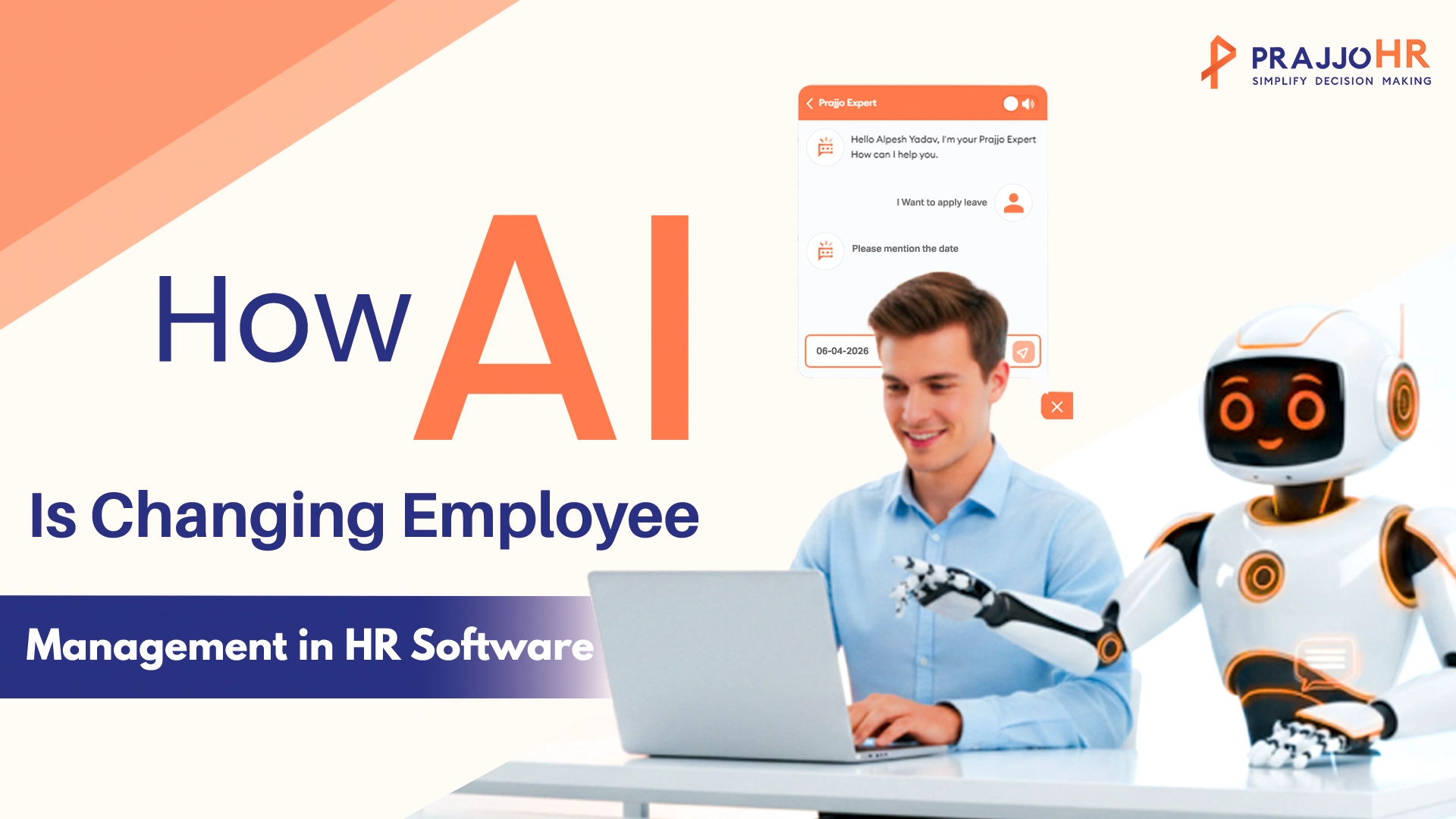
Work culture has changed a lot in the last few years. Earlier, employees spent most of their time on manual tasks like maintaining records, handling paperwork, and waiting for approvals. These processes were slow and often led to mistakes.
Today, with the help of Artificial Intelligence (AI), daily work has become faster, more accurate, and better organized AI in hr software is not replacing employees - it is helping them work smarter and focus on more important tasks.
What Does AI Actually Mean?
Have you ever wondered how work is getting faster and easier without adding extra effort? That’s where AI comes in.
AI in the workplace simply means using smart technology to support daily tasks and make work more efficient. It helps handle repetitive activities, organize data, and provide quick insights, so employees don’t have to do everything manually.
Instead of replacing people, Artificial Intelligence (AI) works alongside them, helping them save time, reduce mistakes, and focus on more important and meaningful work.
Difference Between Traditional and Modern Workflows
To better understand how work has changed over time, it is important to compare how tasks were handled earlier and how they are managed today. Earlier, most processes depended on manual effort, which made work slow and sometimes inaccurate. Today, with smarter systems in place, work has become faster, more organized, and more reliable.
The table below shows a clear difference between traditional and modern workflows:
| Feature | Traditional Workflow | Modern Workflow |
|---|---|---|
| Task Handling | Manual and repetitive tasks | AI-driven and efficient processes |
| Speed | Slow and time-consuming | Faster and more streamlined |
| Accuracy | Higher chances of errors | Improved accuracy with fewer mistakes |
| Decision Process | Based on assumptions or experience | Based on real-time data and insights |
| Employee Support | Delayed responses and manual help | Instant support and quick access to information |
| Productivity | Limited output due to manual effort | Higher productivity with better efficiency |
This comparison clearly shows how workplace processes have improved. Modern workflows not only reduce effort but also help employees work more efficiently and focus on important tasks.
What This Means for Employees and HR Teams
The shift from traditional to modern systems has made daily work more structured and efficient. It has reduced manual effort while improving speed, accuracy, and overall productivity for both employees and HR teams.
For Employees:
- Daily work has become simpler and easier to manage.
- Less time is spent on small and repetitive tasks.
- Quick access to information like leave, salary, and policies.
- Faster responses to queries without waiting.
- More focus on meaningful and productive work.
For HR Teams:
- Reduced workload from repetitive and manual tasks
- Easier management of attendance, payroll, and recruitment
- Fewer errors in data and calculations
- More time to focus on employee engagement and planning
- Better control and visibility over HR processes
Overall Impact:
- Work becomes smoother and more organized
- Faster processes with better results
- Improved productivity for both employees and HR teams
- Less stress and a better work environment
From Manual Tasks to Smarter Workflows in HR
For many HR professionals, the biggest challenge has always been managing repetitive and time-consuming tasks. Activities like attendance tracking, payroll processing, and employee record management take up a large part of their daily schedule. These manual processes not only slow down work but also increase the chances of errors, making HR operations stressful and less efficient.
With the introduction of AI in HR software, these challenges are now being handled in a much smarter way. AI helps streamline daily HR operations, reduce workload, and improve overall efficiency, allowing HR teams to work more effectively.
1. Attendance and Leave Management Made Simple
Managing employee attendance and leave manually can become complicated as organizations grow. Tracking working hours, managing leave balances, and handling approvals often leads to confusion and delays.
AI in HR software simplifies attendance and leave management by maintaining real-time records and ensuring smooth leave application and approval processes. This improves transparency and reduces dependency on manual tracking.
2. Accurate and Hassle-Free Payroll Processing
Payroll management requires precision, as even small mistakes can affect employee trust and compliance. Manual payroll processes are often time-consuming and prone to calculation errors.
AI-powered systems handle salary calculations, tax deductions, and compliance requirements accurately. This ensures timely salary processing and reduces the burden on HR teams.
3. Faster and Smoother Employee Onboarding
A slow onboarding process can create a poor first impression for new employees. Manual onboarding involves paperwork, repeated follow-ups, and a lack of proper coordination.
AI improves onboarding by organizing tasks, managing documentation, and guiding new employees through each step. This creates a smooth and professional onboarding experience.
4. Real-Time Performance Tracking and Insights
Measuring employee performance manually can be inconsistent and time-intensive. It becomes difficult to track progress and identify areas of improvement.
AI in hr software helps by analyzing employee data and providing real-time performance insights. This allows managers to make informed decisions and support employee development more effectively.
5. Employee Tracking with Prajjo Connect
Managing field employees or remote teams manually is challenging, as it lacks real-time visibility and proper tracking.
With Prajjo Connect - Employee Tracking Software, businesses can track employee location, monitor tasks, and manage field operations efficiently. This improves productivity, transparency, and team coordination.
6. Recruitment and Hiring
Recruitment involves multiple steps, such as screening resumes, shortlisting candidates, and scheduling interviews. Doing this manually can take a lot of time and effort.
AI makes recruitment faster by helping HR teams identify suitable candidates, organize interviews, and manage the hiring process more effectively.
7. Instant Employee Query Resolution
Employees often have basic HR-related queries that require quick responses. Handling these queries manually can delay communication and increase HR workload.
AI-powered support systems provide instant responses to common questions related to leave, salary, and company policies. This improves employee satisfaction and saves valuable time.
What Has Improved?
- Less Time Spent on Routine Work
- Reduced Chances of Human Error
- More Focus on Productive Tasks
How Personalized Learning Enhances Employee Growth in Modern HR Systems
Personalized learning is transforming modern learning and development by making training more relevant to each employee. It helps organizations build stronger skills, improve engagement, and support continuous growth.
1. Role-Based Learning Paths
AI-in HR software creates customized training programs based on an employee’s job role, skills, and career goals. This ensures employees learn what is actually relevant to their daily work.
2. Real-Time Skill Gap Identification
Modern HR systems analyze employee performance and identify skill gaps instantly, allowing organizations to provide targeted learning content that improves productivity.
3. Adaptive Learning Experience
Personalized learning adjusts automatically to each employee’s pace and understanding level, making training more engaging and effective compared to traditional one-size-fits-all methods.
4. Continuous Development & Retention
When employees receive tailored learning opportunities, they feel more valued and motivated, which leads to better engagement, higher retention, and overall workforce growth.
The Real Value (ROI) of Using AI at Work
When companies start using AI in their daily operations, the benefits go beyond just saving time. It creates real, measurable value in how work gets done and how teams perform.
1. Better use of people’s time
Employees spend less time on repetitive tasks and more time on meaningful work that actually needs human thinking and creativity.
2. Smarter decisions with less guesswork
Instead of relying on assumptions, teams can make decisions based on clear data, patterns, and insights.
3. Improved work quality
With fewer manual errors and more consistency, the overall quality of work improves without extra effort.
4. Stronger team performance over time
As systems learn and improve, teams become more efficient, confident, and capable in handling work.
How PrajjoHR Makes Everyday Work Management Easier
PrajjoHR simplifies daily work processes by reducing manual effort and bringing everything into one centralized system. Tasks like attendance, leave tracking, payroll, and employee monitoring become faster and easier to manage, saving time and minimizing errors.
It also helps teams stay organized and responsive by offering clear visibility into employee data and activities. With smoother workflows and better control, teams can focus more on planning and productivity instead of handling repetitive tasks.
Conclusion
AI is reshaping the way organizations manage their workforce by reducing manual effort, improving accuracy, and enabling smarter decision-making. It helps teams move beyond routine tasks and focus more on strategic growth, employee development, and overall productivity. As businesses continue to evolve, adopting AI-driven solutions becomes essential for staying efficient and competitive.
Solutions like Prajjo HR play a key role in this transformation by simplifying everyday processes, streamlining operations, and helping organizations manage their workforce more effectively. By combining automation with practical features, it supports businesses in creating a more organized and productive work environment.
Experience Next-Generation
HR Software in Action
People-Centric HRMS: AI That Aligns Mission, People & Performance